This is a sponsored post, but the information is incredibly important for South Florida parents.
I’ll never forget the summer of 2025. It’s not because my family and I went on an amazing vacation or enjoyed a memorable Florida road trip with friends. It’s because we spent most of June and July WITH HEAD LICE. To this day, I still scratch my head (pun intended) and wonder how we got there?
I won’t bore you with the long back story. The short version is we think our daughter brought head lice home from sharing wigs and hats the week of the school musical. She then passed it on to pretty much everyone in our family including both grandmothers (one who traveled all the way from Maine to see her perform), her parents…even a few of her ballet studio friends. It was a mess! I wish we had known that a prescription head lice treatment was an option available to us versus combing out each strand multiple times for nits and using over-the-counter treatment options unsuccessfully.
I am writing this blog post because I want you to learn from my mistakes, especially as we head into the back to school season. Because head lice is the one thing no mom wants to see come home in a backpack.
How I Found Out OTC Lice Treatments May Not Work
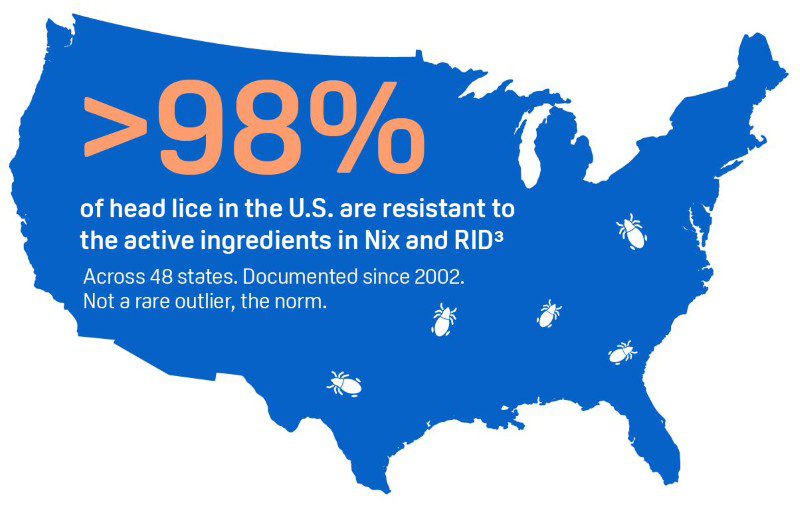
Fun fact! “Super lice” have developed resistance to some of the active ingredients used in common over-the-counter head lice treatments. A 2016 nationwide study published in the Journal of Medical Entomology found that more than 98% of sampled head lice carried genetic changes associated with resistance to permethrin and pyrethrin, ingredients found in common pharmacy aisle products such as Nix and RID.
That means, even if you’ve followed the directions perfectly and still found live lice afterward, it doesn’t necessarily mean you did anything wrong. And repeatedly using a treatment containing the same ingredient definitely isn’t the answer if the lice are resistant to it. That’s one reason parents may want to talk with their pediatrician or healthcare provider about alternative treatment options.
What Is Natroba™ (Spinosad)?
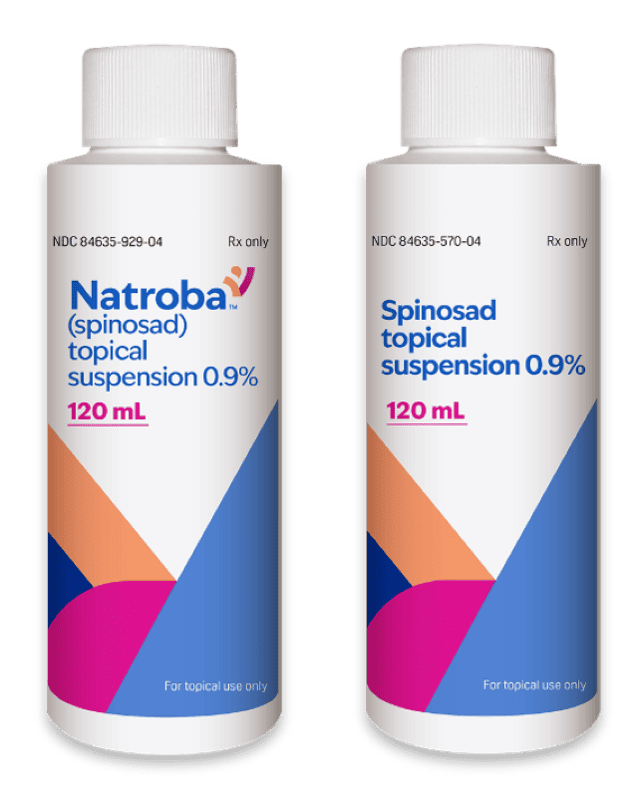
Natroba™ (Spinosad) is a prescription head lice treatment approved for adults and children ages 6 months and older. It works differently from the active ingredients found in many traditional OTC treatments.
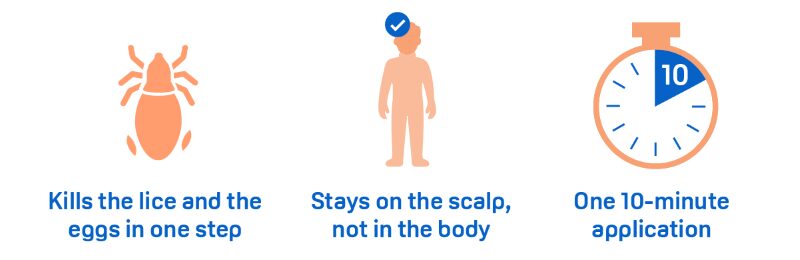
One of the biggest potential advantages for busy families is the treatment process. According to the prescribing information, Natroba™ (Spinosad) is applied to dry hair and scalp, left on for only 10 minutes and then rinsed out. A second treatment is recommended only if live lice are seen seven days after the first treatment. What also attracted me to this product is that Natroba™ (Spinosad) kills both lice and their eggs and that nit combing isn’t required for most patients. Amazing!
For a child (or frankly, a busy mom like me) who cannot sit still for an extended combing session, that can be a game changer. Natroba™ (Spinosad) is also widely covered by most health insurances and Medicaid. And it’s much more affordable than a lice clinic!
What About the Rest of the House?
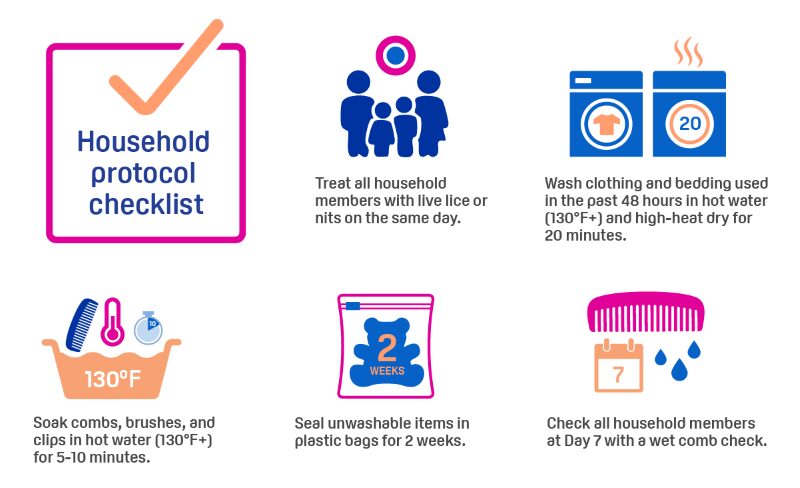
Even with an effective prescription head lice treatment, that’s only one part of managing a home infestation. To limit the spread, all members of your household should receive treatment at the same time to help avoid re-infestation.
And get ready for the laundry! You’ll need to wash (in hot water or get them dry cleaned):
- Recently used bedding
- Clothing
- Hats
- Towels
- Combs, brushes and hair accessories
Talk to Your Doctor About Your Options
If your family is dealing with head lice, and especially if an OTC treatment hasn’t worked, it’s absolutely worth talking with your pediatrician or healthcare provider about your options.
Natroba™ (Spinosad) is a prescription medication, so it isn’t a perfect fit for everyone. Its current labeling has it approved for head lice in patients 6 months and older, and it contains benzyl alcohol, so it is not recommended for infants younger than 6 months. The prescribing information also notes side effects like possible application-site redness or irritation.
If you have a child with complex medical needs, you should also check with their care team before starting a new treatment.
Because the goal isn’t just to get rid of the lice. It’s to get your kid (and yourself) back to your regularly scheduled programming as quickly as possible.
And if that dreaded school note comes home this year? Take a breath. You have options.
Learn more about Natroba™ (Spinosad) including important safety and prescribing information via their website.
This article is educational and is not medical advice. Always consult your healthcare provider for what is best for your individual needs. This article was sponsored by and created in partnership with Cipher Pharmaceuticals, the maker of Natroba.
IMPORTANT SAFETY INFORMATION
Indication
Natroba™ (Spinosad) Topical Suspension is a pediculicide indicated for the topical treatment of head lice infestations in adult and pediatric patients six (6) months of age and older.
Warnings and Precautions
Natroba™ (Spinosad) Topical Suspension contains benzyl alcohol and is not recommended for use in neonates and infants below the age of 6 months. Intravenous administration of benzyl alcohol has been associated with serious adverse reactions and death in neonates and low birth-weight infants.
Adjunctive Measures
Natroba™ (Spinosad) Topical Suspension should be used in the context of an overall lice management program:
- Wash in hot water or dry-clean all recently worn clothing, hats, used bedding, and towels.
- Wash personal care items such as combs, brushes, and hair clips in hot water.
- A fine-tooth comb or special nit comb may be used to remove dead lice and nits.
Adverse Events
The most common adverse events (occurring in ≥1% of subjects) for head lice treatment were application site redness (3%), eye redness (2%), and application site irritation (1%). Use Natroba™ (Spinosad) only on dry scalp and dry hair. Repeat treatment only if live lice are seen 7 days after the first treatment. See full Prescribing Information and Patient Information.
You are encouraged to report negative side effects of prescription drugs to the FDA. Visit www.fda.gov/medwatch or call 1-800-FDA-1088. You may also contact Cipher Pharmaceuticals US LLC at 1-855-628-7622.
NAT-MBMA-000
References
- Natroba (spinosad) topical suspension, 0.9% [prescribing information]. Cipher Pharmaceuticals US LLC; 2025.
- Stough D, Shellabarger S, Quiring J, Gabrielsen AA. Efficacy and safety of spinosad and permethrin creme rinses for pediculosis capitis (head lice). Pediatrics. 2009;124(3):e389-e395.
- Gellatly KJ, Krim S, Palenchar DJ, et al. Expansion of the knockdown resistance frequency map for human head lice (Phthiraptera: Pediculidae) in the United States using quantitative sequencing. J Med Entomol. 2016;[VOLUME]:[PAGES].
- Data on file. Cipher Pharmaceuticals US LLC.
- Centers for Disease Control and Prevention. Clinical Care of Head Lice. Updated January 31, 2025.
Pin for Later!